
Beta-carotene
Beta-carotene is a yellow-to-orange pigment used to color foods and drinks. The body can turn it into vitamin A. Food makers can obtain it from natural sources or produce it synthetically.
Also known as
Beta-carotene
Why PRūF tracks it
The clearest evidence of harm comes from high-dose supplements in people who smoke or have smoked. Evidence about its use as a food color is less certain.
The research distinguishes this ingredient from related food colors and from high-dose supplements.
Read the research
This page is for Beta-carotene. The accepted joint review below explains the distinct evidence for both components. These two colors need separate interpretation.
In 2026, JECFA estimated that high-consuming EU toddlers could receive beta-apo-8′-carotenal above its acceptable daily intake, a protective benchmark for long-term exposure. This was a dietary model using typical use levels, not evidence that children had suffered injury. For beta-carotene, the same review found higher upper exposure estimates but could not characterize their toxicological meaning because no acceptable daily intake has been established. Stronger human harm evidence concerns beta-carotene supplements in smoking-related risk groups: trials found increased lung cancer with sustained supplemental doses, and follow-up evidence also raises concern for former smokers.
These findings should not be equated with ordinary coloring use or carotenoids in vegetables. A 2026 French cohort linked additive beta-carotene intake with diabetes and cancer in separate analyses of shared participants; this is not independent replication or proof of causation, and randomized supplement studies found no overall diabetes effect. Differences in dose, food context and study population matter. The review highlights the apocarotenal exposure finding, while beta-carotene food-use evidence remains uncertain.
Current US and Canadian rules permit specified uses, and JECFA’s recommendation to review uses is advisory.
Research reviewed on September 5, 2026 · 12 sources
Matches
37–48 of 582 matches
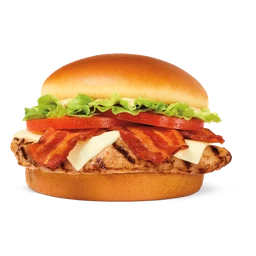 Bacon and Swiss Flame-Grilled Chicken SandwichBurger King · Updated September 23, 2026
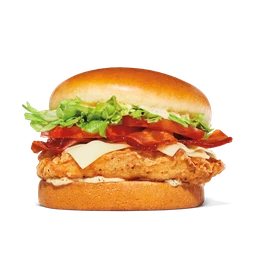 Bacon and Swiss Royal Crispy ChickenBurger King · Updated September 23, 2026
 Bacon Avocado BenedictIHOP · Updated September 23, 2026
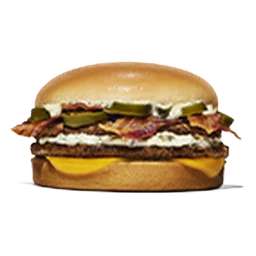 Bacon Blaze Jalapeño DoubleWhataburger · All-Time Favorites & Limited Time Offers · Updated August 2, 2026
 Bacon CheeseburgerTexas Roadhouse · Updated September 23, 2026
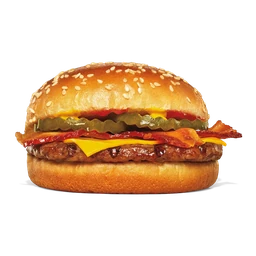 Bacon CheeseburgerBurger King · Updated September 23, 2026
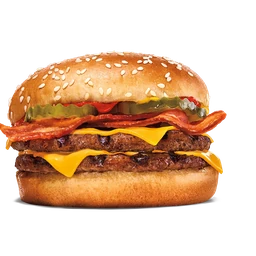 Bacon Double CheeseburgerBurger King · Updated September 23, 2026
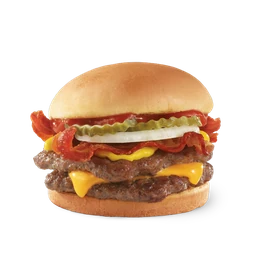 Bacon Double Stack™Wendy's · Updated September 23, 2026
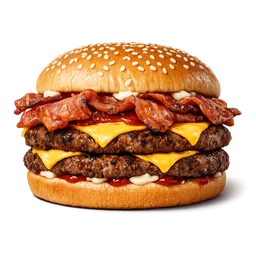 Bacon KingBurger King · Updated September 23, 2026
 Bacon Ultimate Cheeseburger™Jack in the Box · Updated September 23, 2026
 Bacon, Egg & Cheese BiscuitChick-fil-A · Updated September 23, 2026
 Bacon, Egg & Cheese BiscuitWendy's · Updated September 23, 2026
Research sources
The published research used in the PRūF app.
- 102nd JECFA meeting: summary and conclusions
FAO / WHO JECFA · 2026-07-07 · Accessed 2026-09-05
- Evaluation of certain food additives, 87th report, TRS1020
FAO / WHO JECFA · 2019 · Accessed 2026-09-05
- Scientific opinion on the tolerable upper intake level for preformed vitamin A and beta-carotene
EFSA NDA Panel · 2024-06-06 · Accessed 2026-09-05
- Effect of vitamin E and beta carotene on incidence of lung cancer and other cancers in male smokers
Primary study authors · 1994-04-14 · Accessed 2026-09-05
- Effects of a combination of beta carotene and vitamin A on lung cancer and cardiovascular disease
Primary study authors · 1996-05-02 · Accessed 2026-09-05
- Long-term outcomes of AREDS2 supplements, Report28
Primary study authors · 2022-06-02 · Accessed 2026-09-05
- Food coloring additives and incidence of type2 diabetes in NutriNet-Sante
Primary study authors · 2026-06-01 issue · Accessed 2026-09-05
- Long-term beta-carotene supplementation and risk of type2 diabetes: randomized trial
Primary study authors · 1999 · Accessed 2026-09-05
- 21 CFR73.95: Beta-carotene
US FDA · Current through2026-09-03 · Accessed 2026-09-05
- 21 CFR73.90: Beta-apo-8-prime-carotenal
US FDA · Current through2026-09-03 · Accessed 2026-09-05
- List of permitted food colours
Health Canada · 2025-10-20 · Accessed 2026-09-05
- Food colouring additives and cancer incidence in the NutriNet-Santé prospective cohort
Shah et al. / European Journal of Epidemiology · 2026-04 · Accessed 2026-09-05
Know your food.
Anywhere.
Explore restaurant ingredients and nutrition in the PRūF iPhone app.